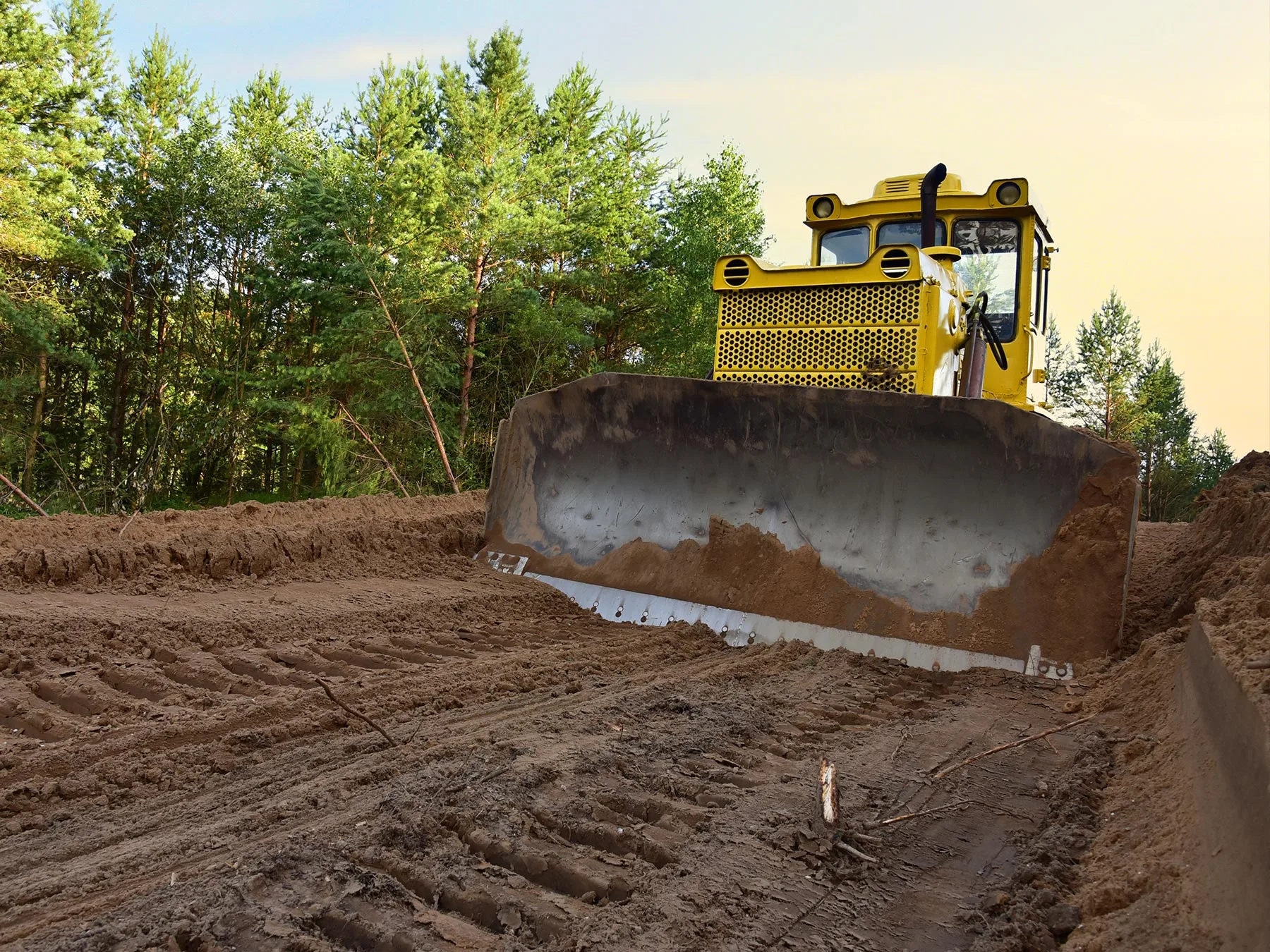
Understanding the Costs: What Influences Land Clearing Pricing? Mar 02, 2026
First and foremost, the size of the area requiring land clearing is a primary factor influencing cost. Generally, the larger the area, the higher the cost. This stems from the increased labor, machinery, and time needed to clear expansive spaces. For instance, clearing a small residential plot is significantly less labor-intensive and time-consuming than preparing acres of land for agricultural or commercial development.
The type of vegetation present on your land is another crucial factor. Dense, woody areas with large trees demand more robust machinery and skilled operators, typically increasing the cost. In contrast, land covered primarily with brush or smaller plants might be less expensive to clear. Additionally, properties that have been neglected and feature overgrown vegetation or hard-to-remove tree stumps will also require more intensive work, thus impacting the overall cost.
Terrain and topography also play a significant role in determining the price of land clearing. Flat, easily accessible land is usually quicker and cheaper to clear compared to uneven or sloped terrain, which requires special equipment and closer attention to safety, adding to the complexity and cost. Areas prone to flooding or with poor soil conditions might also present additional challenges, necessitating specialized techniques or equipment and potentially increasing costs.
Another element to consider is the purpose for which you are clearing the land. Different end uses can dictate the level of thoroughness required. For example, land to be used for residential construction might necessitate more detailed clearing, including grading and excavation, compared to general agricultural use, where the focus may be more on removing obstacles like rocks and stumps.
Permits and regulations often add to the costs of land clearing. Depending on your location, you may need to obtain specific permits, and adhering to environmental protection regulations can require additional time and resources. Jr Construction assists in navigating these legalities, ensuring compliance while also minimizing delays and additional expenses.
Furthermore, accessibility to the site influences costs. If your property is in a remote area or difficult to access, moving heavy machinery and equipment to the site might incur higher costs. Easy access usually equates to cost savings, as less effort is spent on logistics.
Lastly, seasonal factors can affect pricing. Inclement weather conditions, particularly during the rainy seasons, may hinder equipment operation and extend project timelines, potentially increasing costs. Planning your land clearing project during suitable weather conditions can lead to quicker completion and possibly lower costs.
In conclusion, understanding the various factors that influence land clearing costs can guide you toward making cost-effective decisions. At Jr Construction, our expertise in assessing these factors ensures that you receive clear, comprehensive quotes tailored to your unique needs. By elucidating these cost components, we aim to provide transparency and confidence as you embark on your land clearing project, ensuring the process is as smooth and unobstructed as possible.
/filters:no_upscale()/filters:format(webp)/media/5ca0e5f8-25ad-45b6-8ada-0646677ba9be.jpeg)